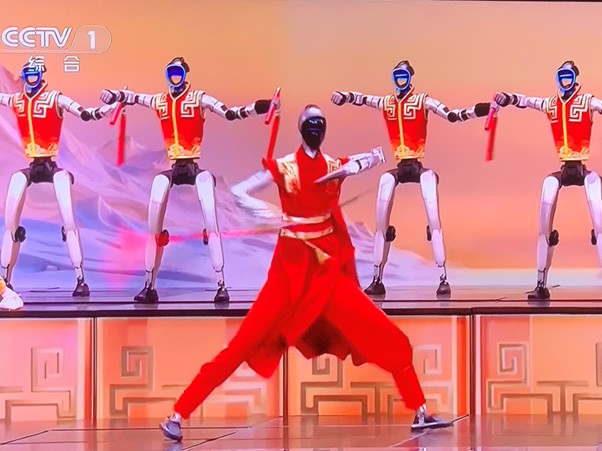
Chinese New Year, or Spring Festival, has long been a cultural cornerstone in China. But in 2025 and 2026 it has also become one of the most commercially significant events in the ecommerce calendar.
What used to start as a short holiday shopping moment has turned into a multi-week consumer decision journey, reshaping how brands plan digital strategy, platforms, and cultural messaging.
For digital marketing teams who underestimate this season, the result is missed sales, weaker visibility, and competitors winning deeper engagement. For brands who plan with timing, emotion, and platform nuance in mind, Chinese New Year delivers growth that eclipses many Western seasonal moments.
This is especially true for cross border brands and performance driven ecommerce teams who want to grow in China and APAC markets. Below we unpack the latest consumer data, platform behaviours, and the frameworks that will help you win.
Why Chinese New Year changes how people shop

Chinese New Year isn’t a single shopping day. It’s a consumer journey that begins weeks before the official dates and continues well after the Lantern Festival. During this period, buying behaviour shifts from rational price hunting to emotion-driven, culturally influenced purchasing.
Culture drives spending beyond discounts
Families buy gifts, home goods, apparel, travel services, and premium items not just for utility but for meaning. This is how they celebrate reunion and luck. According to recent trend analysis, Douyin now dominates engagement around Chinese New Year topics. It turns festive sentiment into content-driven commerce with billions of views on hashtags like #过年 (celebrating New Year).
While traditional sales events like Singles’ Day and 618 focus on discounts and deals, Chinese New Year contextualises purchases within a cultural narrative, meaning brands have to align with feelings of auspiciousness, family, and renewal to resonate.
Spending continues to grow despite broader market pressures
It’s important to understand that even with slowing growth in other retail events, retail and consumer spending still rises during the Chinese New Year window. During the eight-day Spring Festival period in 2025, China saw consumer related sales increase about 10.8%, with consumer goods up nearly 9.9%, signalling the continuing significance of the season.
How major platforms shape festival behavior
China’s ecommerce ecosystem is distinct because platforms do not simply serve transactions, they shape discovery, entertainment, and community engagement.
Douyin turns festive emotion into commerce

Douyin (China’s TikTok) has become a central stage for CNY content. With #春节 reaching tens of billions of views, brands can tap into deep engagement long before official budgets kick in.
This trend matters because modern Chinese shoppers are increasingly influenced by content before conversion. Festive narratives, cultural stories, and UGC fuel a sense of participation rather than just a transactional moment.
Xiaohongshu drives discovery and social proof

Platforms like Xiaohongshu blend lifestyle content with marketplace behaviour.
They are now a primary place for gift inspiration and trend discovery among affluent millennials and Gen Z.
Tmall, JD and ecommerce marketplaces

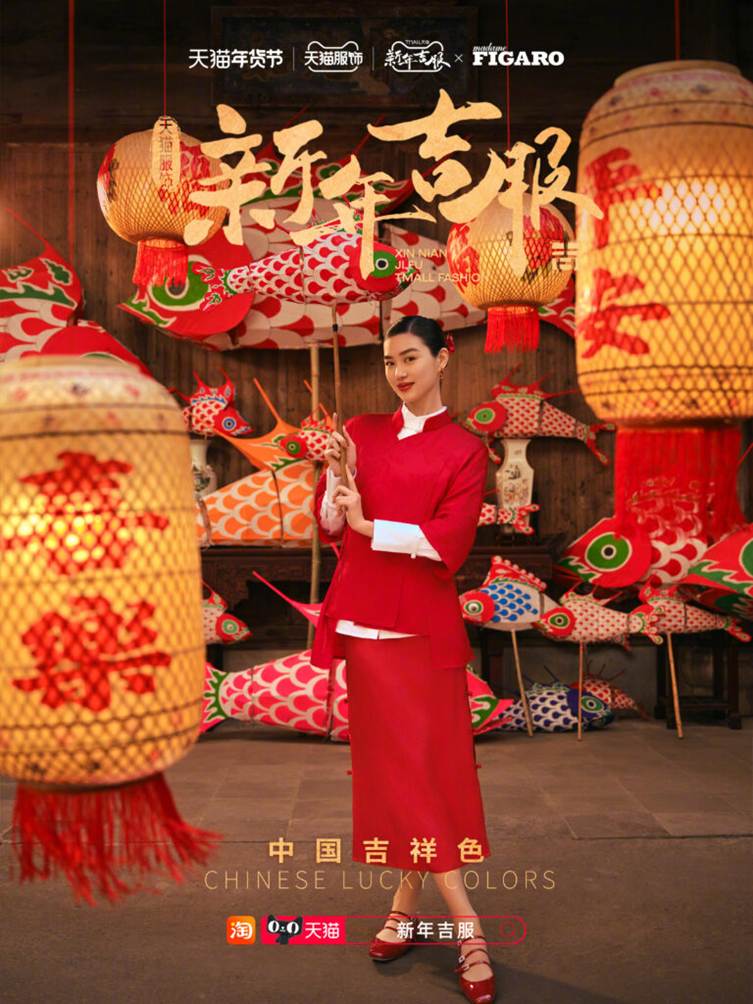
While Tmall and JD still dominate headline sales during major campaigns, Chinese New Year demands a different approach than mid-year or Singles’ Day sales.
On regular mega shopping events, transaction volumes are often driven by deep discounts. But consumers increasingly make choices based on story, relevance, and cultural fit, especially in categories like beauty, gifting, and lifestyle.
Content matters more than coupons.
What this means for cross border brands
For international brands trying to break into or grow within the Chinese ecommerce market, Chinese New Year demands an approach that differs from Western seasonal campaigns.
Timing beats surface discounts
Search interest for Chinese New Year shopping spikes 3–8 weeks before the festival, meaning early investment in visibility and storytelling is essential. Late launches miss demand that already converted elsewhere.
Discount-only strategies that work for holiday sales festivals like Black Friday or Cyber Monday underperform in Chinese New Year’s emotionally driven environment. Instead, thoughtful cultural alignment and narrative driven campaigns tend to outperform bare promotions.
Platforms demand tailored creative
Douyin, Xiaohongshu, WeChat and AliExpress cross border channels all have distinct languages, behaviours, and user expectations. Brands that try to reuse the same global assets across all will fall behind localised competitors who are speaking in context, in language, visuals, narrative, and local references.
For example, Douyin is video first. This means stories, product how-to videos, festivity moments, and influencer participation outperform static posts. Xiaohongshu rewards community-style recommendations and long-form posts that feel like lifestyle diaries.
A practical Chinese New Year ecommerce strategy
To win consistently during the Chinese New Year period, brands should think of the moment as a 3 phase journey:
Phase 1: Build demand early
Start before people decide where they will shop. Invest in content that educates and emotionally resonates:
- Gift lists and inspiration that connect to cultural practices
- Influencer content that tells a story around product usage
- Early paid search and platform discovery campaigns aligned with key platform KPIs
Planning early also means securing logistics commitments and product allocation well in time, as supply chains get crowded closer to the holiday.
Phase 2: Execute during peak engagement
This is the core festival window where customer intent peaks.
- Launch campaigns aligned with spring and reunion narratives
- Use countdowns and limited availability bundles
- Activate livestream collaborations that feel culturally relevant, not just commercial
- Leverage social proof from platform trend data to increase credibility
For example, campaigns that used zodiac motifs or family reunion narratives saw higher engagement versus straight discount campaigns.
Phase 3: Retain after the festival
Chinese New Year doesn’t end when the fireworks die down. The post festival weeks are rich with conversation, reviews and shared experiences. Use this to fuel ongoing sales and brand loyalty, especially in communities that value authenticity and shared social proof.
Where brands should focus next
Chinese New Year 2026 reflects a maturing consumer mindset where meaning and story matter as much as price. For cross border brands and ecommerce strategists, this means moving beyond discount playbooks and into cultural intelligence, content first engagement, and platform aware campaigns.
If you are planning your next Chinese New Year launch or want a deeper, data led strategy that integrates culture, ecommerce platforms, and creative storytelling, Digital Crew can help you navigate timing, content calendars and campaign execution that resonates across China and APAC ecommerce ecosystems.