Published On
Key Takeaways

Most brands get China wrong before they even start. They assume it is just another paid media game. Run ads, push traffic, convert sales.

That logic collapses instantly on Xiaohongshu.

Xiaohongshu marketing is not about pushing products. It is about earning belief. And belief in China is built through content that looks like it came from a real person, not a brand deck.

In 2026, this has gone even further. Xiaohongshu is no longer just a discovery platform. It is where decisions are shaped before a purchase even happens.

If you treat Xiaohongshu like Instagram or Facebook, you will burn budget and learn nothing.

What Xiaohongshu marketing actually is

Xiaohongshu sits somewhere between a search engine, a social platform, and a product discovery engine. That mix is exactly why it works.

Users do not open Xiaohongshu to follow brands. They open it to search.

They search for:
Is this product worth it
Which sunscreen works in humid weather
Best hotels in Tokyo for Chinese tourists

This is where Xiaohongshu marketing becomes powerful. Your content is not interrupting the user. It is answering them.

The platform runs on intent, not attention​

Most Western platforms reward attention. Xiaohongshu rewards intent.

That means your content needs to match what users are actively looking for. Not what your brand wants to say.

If your strategy starts with campaign messaging, you are already behind.

How Xiaohongshu search shapes everything

Search is the core of Xiaohongshu marketing. It is not a feature. It is the system.

Over 70% of users begin with search driven discovery, turning Xiaohongshu into a lifestyle search engine rather than a social feed.

That means your content is judged like Google results, not social posts. Xiaohongshu’s recommendation system now combines keyword indexing with semantic understanding, meaning posts are ranked based on relevance, depth, and engagement signals such as saves and meaningful comments rather than just likes.

Content is indexed like a search engine

Every post is indexed based on keywords, captions, hashtags, and engagement signals.

That means your content has a shelf life. A good post can drive traffic months after it is published.

In 2026, Xiaohongshu’s algorithm has become more context driven. It understands intent beyond exact keywords, meaning content relevance matters more than keyword repetition.

Keywords are not optional​

If you are not thinking about how users search, your content will never surface.

For example, a beauty brand should not post “Our new hydrating serum is here.”

Instead, the content should align with how users search:
best serum for dry skin winter
hydrating skincare routine for sensitive skin

This is where Xiaohongshu marketing overlaps with SEO more than social media.

Xiaohongshu vs other Chinese platforms

Most brands try to run the same strategy across platforms. That is exactly why they fail.

Xiaohongshu vs Douyin

Douyin is built for entertainment and fast consumption. It pushes content based on behavior and trends.

Xiaohongshu is built for research and decision making. Users arrive with intent.

Douyin creates desire. Xiaohongshu validates it.

Xiaohongshu vs WeChat

WeChat is a closed ecosystem. It is where relationships are maintained and transactions are completed.

Xiaohongshu is open discovery. It is where trust is built before a user ever enters your private ecosystem.

Why this matters

If WeChat is where you convert and retain, Xiaohongshu is where you win the customer in the first place.

Ignoring Xiaohongshu means you are invisible during the most critical stage of the journey.

What content actually works on Xiaohongshu

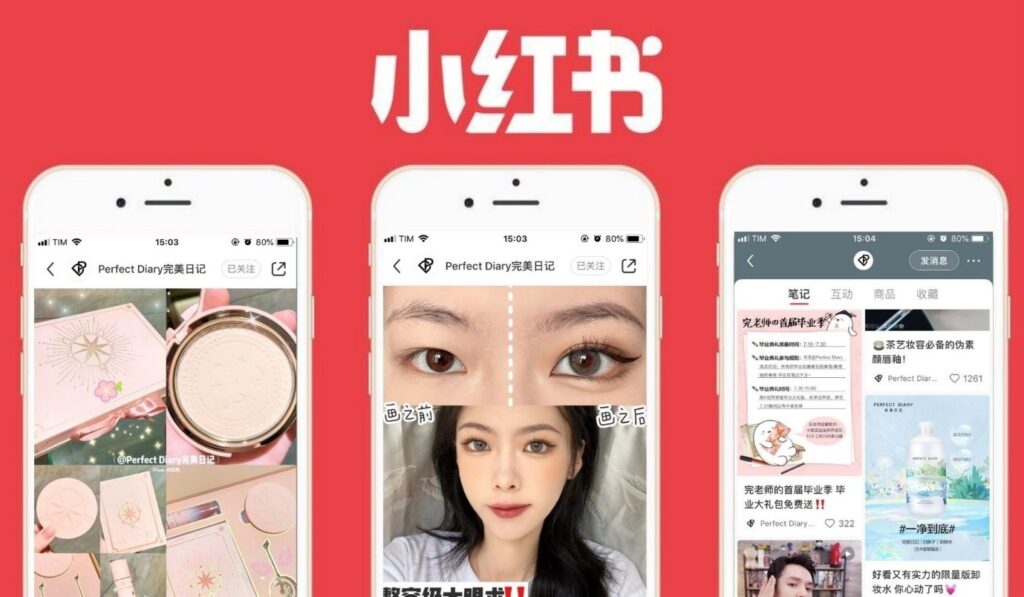
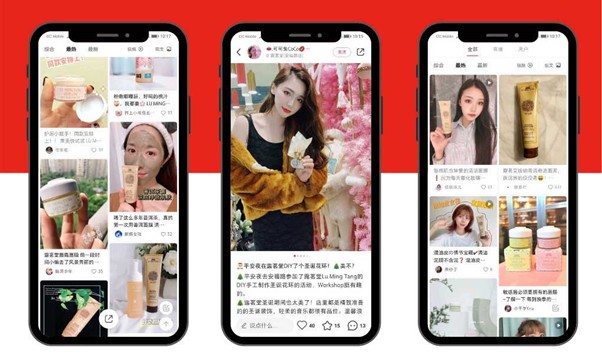
Polished brand content underperforms. Real experiences win.

Native content beats brand content

The best performing posts look like:
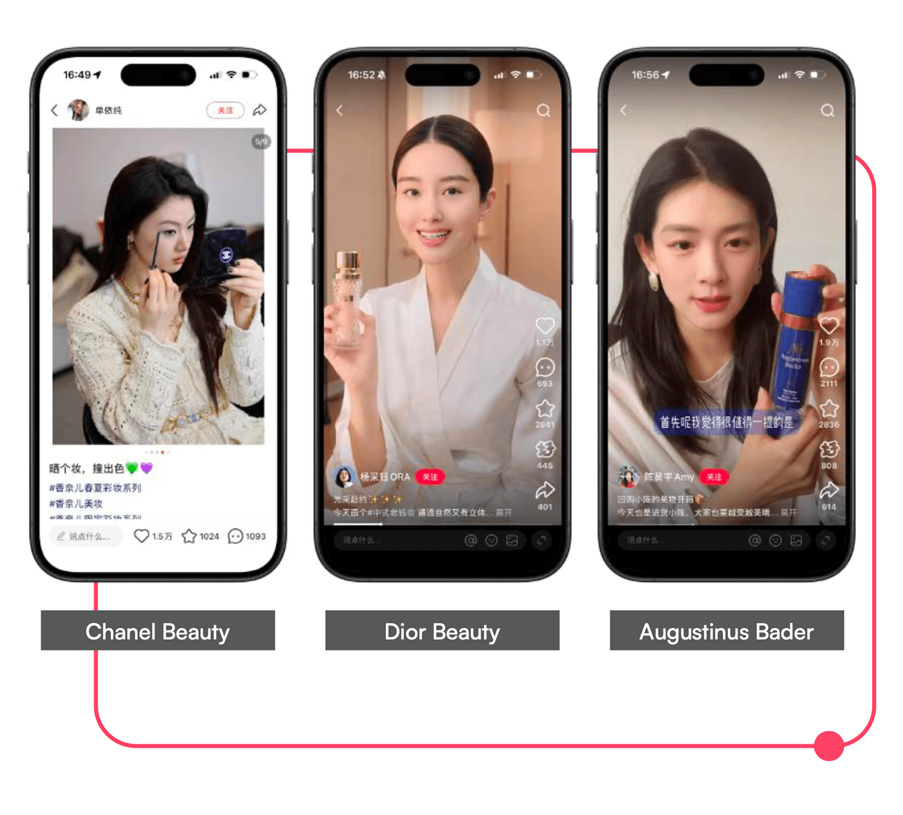
Personal reviews
Before and after results
Travel diaries
Routine breakdowns

Even when brands create content, it must feel native to the platform.

Highly produced campaigns often fail because they feel like ads.

KOL and KOC strategy is not optional

Influencers on Xiaohongshu are not just amplifiers. They are the engine.

KOLs bring reach. KOCs bring trust.

Smart Xiaohongshu marketing strategies combine both.

A luxury hotel, for example, might:
Partner with KOLs for visibility
Work with smaller creators to create detailed stay experiences

The second group often drives more conversions.

How AI is changing Xiaohongshu marketing

Most brands are still using AI to write captions. That is the least valuable use case.

AI for search intent mapping

Winning brands use AI to map how Chinese users search and think.

Instead of guessing keywords, they analyze patterns like:
seasonal concerns
lifestyle habits
problem driven queries

This aligns content with how Xiaohongshu surfaces posts in 2026, which is increasingly intent driven rather than keyword driven.

AI for content testing

AI tools are now being used to test multiple content angles quickly.

For example, one product can be positioned as:
luxury
practical
budget friendly
travel essential

The platform then reveals which angle resonates based on saves and engagement.

AI as support, not replacement

Xiaohongshu is actively filtering generic content.

If your content feels automated, it will not perform.

AI should enhance strategy and speed, not replace authenticity.

Xiaohongshu advertising: Where paid fits in

Paid media exists, but it works differently.

Ads amplify what already works

If your organic content is weak, ads will not save you.

The best approach is simple:
Test content organically
Identify what performs
Then scale with ads

Native formats matter

Ad formats that mimic organic posts perform better than traditional display ads.

Users are extremely sensitive to anything that feels forced.

If your ad looks like an ad, it gets ignored.

How to get started with Xiaohongshu marketing

Most brands rush to create content. That is the mistake.

Step 1: Map real search behavior

Use Xiaohongshu search suggestions and competitor posts to identify what users are actually searching.

This is not keyword research. This is behavioral research.

Step 2: Start with KOC content, not brand content

Early stage accounts struggle with trust.

Working with smaller creators allows you to generate authentic content that performs better in search and discovery.

Step 3: Build topic clusters

Instead of random posts, focus on one theme and dominate it.

For example, a tourism brand should create multiple posts around:
destination guides
hotel reviews
local experiences

This signals authority to the platform.

Step 4: Use organic as your testing ground

Do not start with ads.

Let the platform tell you what works based on saves, comments, and shares.

Then scale.

Step 5: Commit to consistency

Xiaohongshu rewards accounts that post consistently over time.

This is not a campaign platform. It is a long term content engine.

Why Xiaohongshu matters for global brands

Chinese consumers trust Xiaohongshu more than brand websites. That alone should change your strategy.

It drives decisions across categories

Beauty brands use it to educate
Travel brands use it to inspire
eCommerce brands use it to validate

A Chinese consumer might discover your brand on Xiaohongshu, research it there, and then purchase on another platform.

It is where overseas Chinese consumers behave like locals

Xiaohongshu is not limited to mainland China. Chinese consumers globally still rely on it.

That makes Xiaohongshu marketing one of the most effective ways to target Chinese audiences across markets.

What brands consistently get wrong

Most failures come from the same mistakes.

Treating it like a campaign channel

Xiaohongshu is not built for short term campaigns. It rewards consistency.

Ignoring content depth

Surface level content does not rank. Detailed, useful posts do.

Over controlling the message

The more control a brand tries to exert, the less authentic the content feels.

And authenticity is the entire game here.

The real strategy behind Xiaohongshu marketing

Winning on Xiaohongshu requires a shift in thinking.

You are not creating ads. You are creating searchable experiences.

You are not pushing products. You are answering questions.

You are not building campaigns. You are building presence.

That difference is what separates brands that scale from brands that disappear.

If you are serious about reaching Chinese consumers, Xiaohongshu is not optional. At Digital Crew, we help brands build strategies that actually align with how these platforms work in reality.

FAQs

Xiaohongshu marketing focuses on creating searchable, user driven content that helps Chinese consumers discover, evaluate, and trust products before making a purchase.

Xiaohongshu is built for research and decision making, while Douyin drives entertainment and impulse, and WeChat focuses on retention and private customer relationships.

The platform ranks content based on relevance to search intent, engagement signals like saves and comments, and how useful the content is to users.

Yes, but not just large influencers. Smaller creators often drive better results because their content feels more authentic and trustworthy.

Brands should begin by understanding real user search behavior, creating content around those queries, testing organically, and scaling what performs.

Recent posts

Emotion AI in marketing: How brands will read customers next
read more
Why Keyword Marketing Is Dying in China and What Brands Must Do Instead
read more
Chinese Brands Are Using Entertainment, Sports, and Partnerships to Accelerate Global Trust
read more
From Awkward Prototypes to Kung Fu Masters: China’s Humanoid Robot Breakthrough
read more
Insights