

The New Playbook: Why Digital-First Marketing is More Important Than Ever
There was a time when a flashy billboard on Nanjing Road or a prime-time TV ad on CCTV was all it took to get a brand noticed in China. Not anymore.

Today, digital-first isn’t just an option—it’s survival.
Chinese consumers live online. They discover brands, make purchasing decisions, and engage with businesses almost entirely through digital ecosystems. And while this isn’t exactly breaking news, what has changed is how brands need to approach digital marketing to stay relevant.
It’s no longer about just running ads on WeChat or Douyin. The old playbook of heavy ad spending and one-time conversions? It’s losing steam. Instead, the brands winning in China today are the ones building communities, leveraging private traffic, and integrating digital experiences into every touchpoint of the consumer journey.
If you’re still playing by old rules, it’s time to turn the page. Let’s break down the new playbook for digital-first marketing in China.
The Rise of Private Traffic & Owned Digital Channels
For years, brands in China relied heavily on paid advertising to drive traffic and sales. But now, rising ad costs and shifting consumer behaviors have made private traffic—brand-owned consumer engagement—a critical strategy.
What is Private Traffic, and Why Does It Matter?
Private traffic refers to direct, brand-owned engagement channels like:
- WeChat Official Accounts & Mini Programs
- Brand-operated Douyin & Xiaohongshu stores
- VIP customer groups & exclusive online communities
Unlike public traffic (where brands pay for exposure on platforms like Tmall, JD, and Douyin ads), private traffic allows businesses to directly interact with consumers, nurture relationships, and drive repeat sales without ongoing ad spend.
How Brands Are Winning With Private Traffic
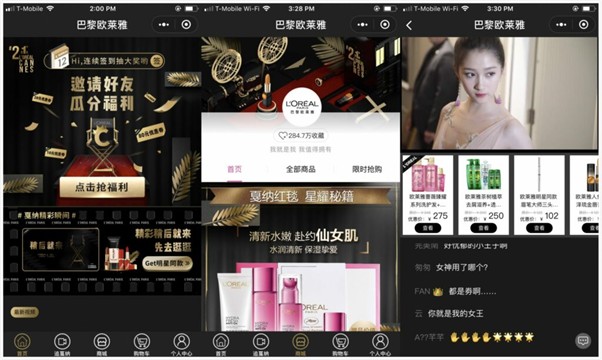
- L’Oréal China built private WeChat groups for loyal customers, offering exclusive content, early product drops, and VIP experiences—leading to higher retention and increased direct sales.
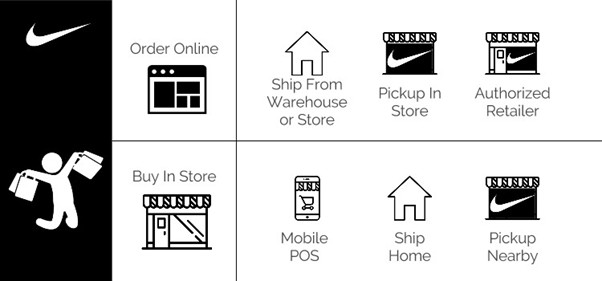
Source: https://www.linkedin.com/pulse/nike-case-study-what-omnichannel-retail-should-look-like-alex-senn/
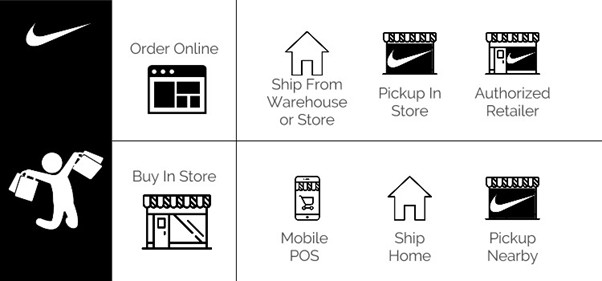
- Nike has seamlessly integrated its WeChat Mini Program with offline stores, creating an omnichannel shopping experience that keeps customers engaged beyond the first purchase.
Brands that invest in private traffic are seeing lower marketing costs and stronger customer loyalty.
Social Commerce is Now the Standard
Forget traditional eCommerce—social commerce is where the real action is.
Chinese consumers don’t just shop online; they shop through interactive, content-driven experiences. Whether it’s through influencers, live shopping, or peer recommendations, brands need to be part of the conversation.
Xiaohongshu (RED) is a Must for Brand Discovery

- 70% of RED users use the platform to discover new products and brands.
- Influencer-led recommendations drive higher conversion rates than traditional ads.
- Brands like Fenty Beauty and Gucci have leveraged RED’s user-generated content approach to build credibility and trust.
Douyin’s Explosive Growth in E-commerce
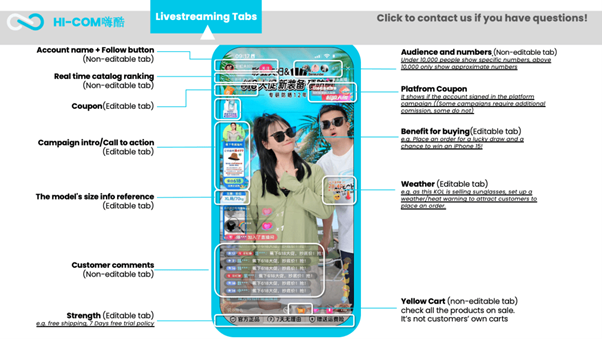
Source: https://www.hicom-asia.com/
- In 2024, Douyin (China’s TikTok) achieved a Gross Merchandise Volume (GMV) of approximately $483 billion USD, marking a 30% increase from the previous year.
- Live shopping sessions featuring influencers can drive millions in sales in minutes.
- Short-video commerce is replacing static product listings as the most engaging way to sell online.
Takeaway: Brands that integrate their shopping experience with China’s top social platforms will see stronger engagement and higher conversions.
The New Rules of Influencer Marketing in China
Gone are the days when throwing money at a big-name Key Opinion Leader (KOL) guaranteed results. Consumers now value authenticity over celebrity endorsements.
The Shift from KOLs to KOCs (Key Opinion Consumers)
Instead of working with mega influencers, brands are shifting toward KOCs—everyday consumers with smaller but highly engaged followings.
- Micro-influencers see 3X higher engagement compared to traditional KOLs.
- Consumers trust peer recommendations more than celebrity endorsements.
- Brands leveraging KOC networks on platforms like RED are seeing higher organic engagement and better ROI.
Case Study: How Perfect Diary Built a Billion-Dollar Brand Using KOCs
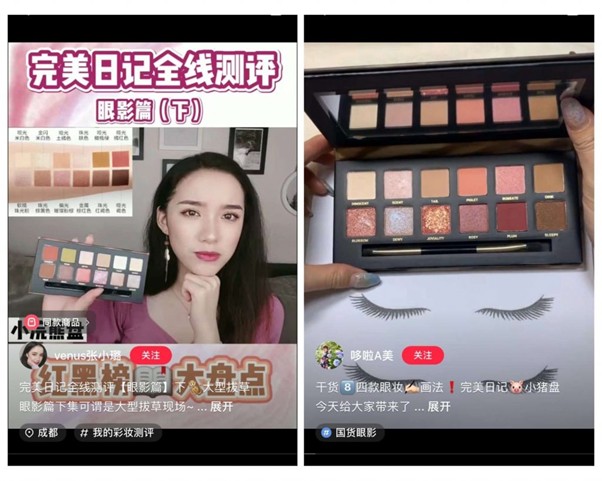
Perfect Diary, one of China’s fastest-growing beauty brands, focused on thousands of small KOCs instead of just celebrity influencers.
By encouraging real users to share product reviews, create content, and engage in online communities, the brand:
- Increased trust and credibility.
- Saw organic growth without massive ad spend.
- Built a fiercely loyal customer base.
The Future of Digital Marketing in China
With China’s digital ecosystem evolving rapidly, brands need to stay agile and embrace emerging trends. Here’s what to watch for in 2025:
AI-Powered Customer Engagement
AI-driven chatbots, personalized recommendations, and smart WeChat assistants are enhancing the digital shopping experience.
Web3 & the Next Evolution of Digital Ownership
Blockchain-based memberships, NFTs, and tokenized brand loyalty programs are slowly making their way into China’s digital marketing landscape.
Final Thoughts – The Brands That Adapt Will Win
The shift to digital-first marketing in China isn’t coming—it’s already here. Brands that embrace private traffic, invest in social commerce, and leverage authentic influencer engagement will lead the next era of consumer marketing.
The question isn’t whether your brand should go digital-first. It’s whether your brand is doing it the right way.