

As President Trump slaps a 145% tariff on Chinese imports, Beijing’s industrial hustle isn’t retreating—it’s livestreaming!
Chinese suppliers, the kind you never hear about on CNBC but who are the backbone of modern retail, are flooding TikTok and Xiaohongshu with a new call to arms: “Don’t pay more. Buy direct.”
Suddenly, DHgate and Taobao aren’t just fringe platforms for drop shippers and collectors of K-pop knockoffs. They’ve become the digital Silk Road—threaded with cheap earbuds, streetwear dupes, and, yes, LED dog collars.

Welcome to the Tariff Evasion Era, where your next great deal is a few scrolls, a translation app, and a shipping wait away.
What Is DHgate? The “Costco” of Global Manufacturing
DHgate is what happens when you cross Alibaba’s factory-direct swagger with Costco’s obsession for bulk deals—then sprinkle in a little eBay unpredictability. It’s a platform built for the hustlers: small business owners, side hustlers, and curious buyers who aren’t afraid to order 10 phone chargers just to get a deal. Whether you’re stocking up or just snagging a single gadget at factory prices, DHgate lets you buy straight from the source—no middleman, no markup, and no apologies for being rough around the edges.
What to watch out for?
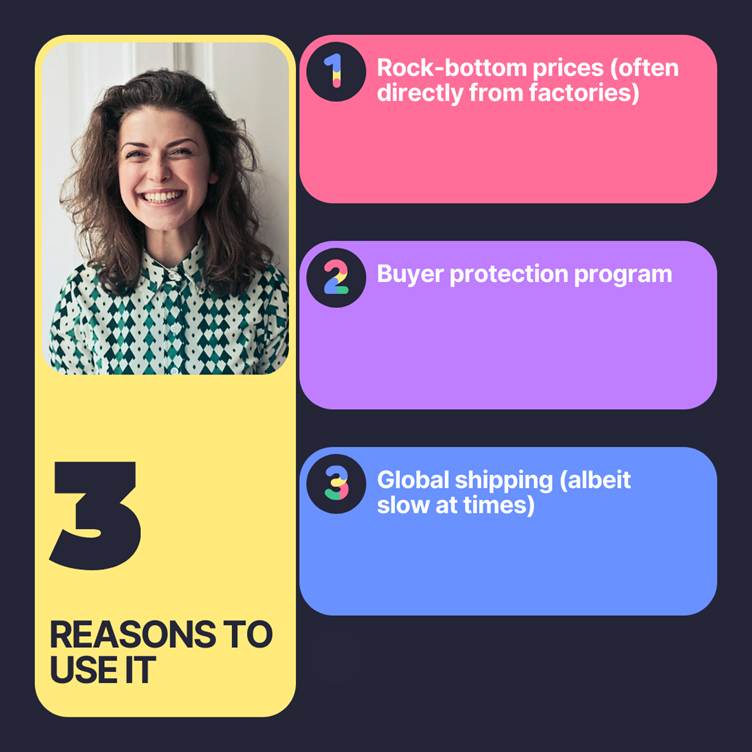
- Quality can range from surprisingly good to suspiciously flimsy
- Some listings are counterfeit—always check reviews and seller history
- Shipping can take 2–4 weeks, depending on the warehouse location
What Is Taobao? China’s Amazon on Red Bull
Taobao is China’s biggest e-commerce platform—and it makes Amazon look like a library. Operated by Alibaba, it’s a fever-dream of color, motion, and ‘everything-on-sale’ energy. You’ll find livestreams of farmers hawking mangoes, gamified coupons, and listings for everything from anime plushies to espresso machines at prices that seem like typos. Yes, it’s mostly in Chinese, but with the right agent and translation tools, Americans are learning to ride the chaos. And the chaos? That’s where the deals live.
Key advantages:
- Vast product variety (think Etsy + eBay + Amazon + local Chinatown)
- Very low prices for high-volume or trending items
- Community reviews with photos and sizing advice
DHgate vs. Taobao — Which One’s for You?
| Feature | DHgate | Taobao |
| Language | English | Chinese (with some English agents) |
| Ease of Use | Easier for Western users | More complex but better prices |
| Product Type | Bulk, general merchandise | Trendy, niche, everyday items |
| Delivery Time | Often faster | Can take longer, agent-dependent |
| Payment | PayPal, cards | Agents or Alipay |
Step-by-Step: How to Order Like a Pro
Buying from DHgate:
- Sign up on DHgate.com
- Search your product (use terms like “LED shoes” or “mini projector”)
- Check the seller rating (aim for 95%+ positive feedback)
- Pay with PayPal for added security
- Wait, track, and unbox
Buying from Taobao via agent:
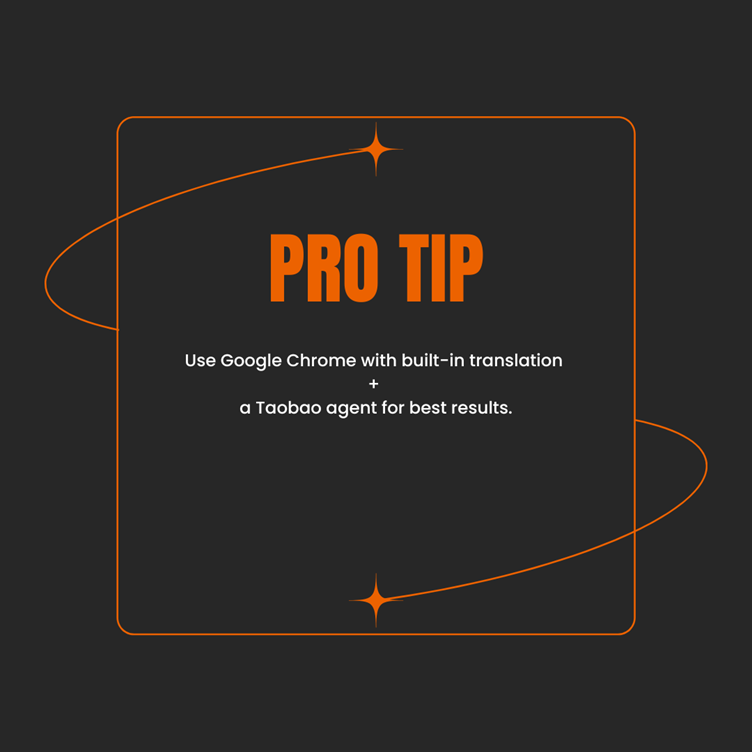
- Visit Taobao.com or use the app (with Google Translate if needed)
- Copy the product link
- Go to a Taobao agent website (e.g., Superbuy)
- Paste the link and follow their purchase process
- Your agent will consolidate and ship to your U.S. address
Why This Matters More Than Ever
In 2025, shopping is no longer just about deals—it’s geopolitical. American consumers are quietly shifting the balance of trade from their bedrooms. When the White House throws tariffs at Chinese factories, Chinese suppliers don’t crib—they make viral videos.
And those videos are working. The TikTok hashtag “#DHgatefinds” has millions of views. Gen Z is buying directly, and your average Etsy reseller is sweating. Tariffs may slow container ships, but they don’t stop Wi-Fi. And the savvy shopper knows where to click.
Final Word: Should You Try It?
If paying $70 for something that costs $7 in China makes your eye twitch, then yes—DHgate and Taobao are absolutely worth your time. You’ll need a bit of patience, a dash of curiosity, and maybe a translation app. But you’ll emerge with stuff your friends will ask about—and for a quarter of the price. If you’re a small business looking to go direct to manufacturers, or a marketer wanting to tap into this shifting trend (instead of watching from the sidelines), now is the time to get strategic.
At Digital Crew, we help brands navigate the wild world of Chinese e-commerce—whether you’re sourcing products or setting up shop in China.