Emotion AI is shifting marketing from behavior to real time emotional understanding
Wearables are turning emotion tracking into a continuous data stream
Customer experience is becoming adaptive based on how users feel, not what they click
Retail is moving toward emotional personalization, not just behavioral targeting
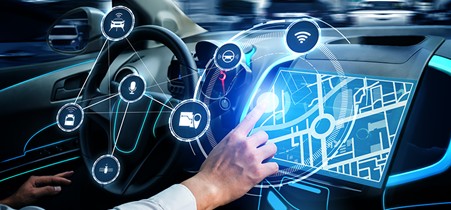
Automotive and safety systems are already using emotion detection in real world scenarios
Healthcare is leveraging emotion AI for ongoing mental state monitoring
Emotion data is far more sensitive and powerful than traditional user data
Most brands will misuse this as analytics instead of real time decision making
What is emotion AI and why it matters now
Emotion AI, also known as affective computing, allows machines to detect and interpret human emotions through facial expressions, voice tone, and biometric signals.
This is not new technology. What is new is scale.
AI models are faster, sensors are cheaper, and data is continuous. Emotion is no longer inferred. It is measured.
From screens to skin: The rise of emotion AI wearables
Wearables are changing the game
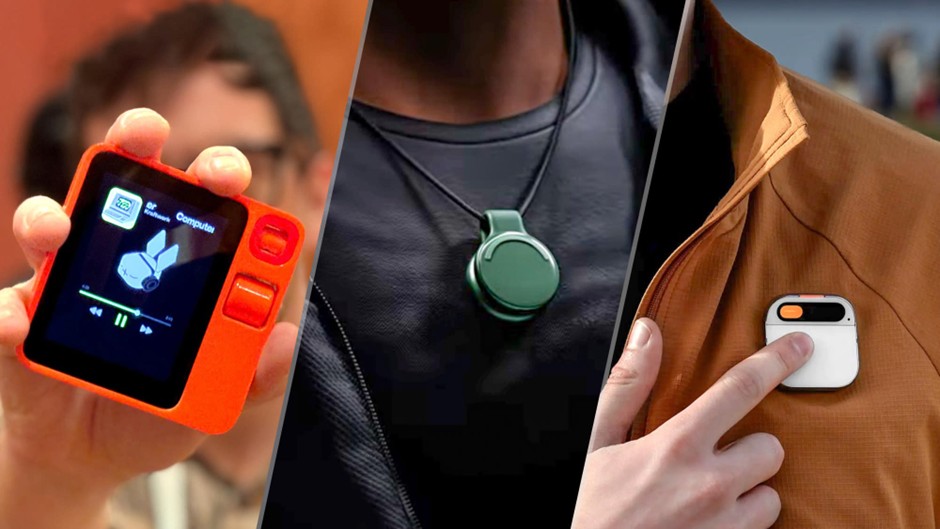
Emotion AI is moving off screens and onto the body. Smart rings, earbuds, and glasses are now capturing real time emotional signals such as stress, focus, and fatigue.
Why this matters
This shift turns emotion tracking from a one-time interaction into a constant stream.
Brands are no longer reacting to behavior. They are reacting to emotional states in real time.
Where emotion AI is already being used
Customer experience
Call centers are using emotion detection to identify frustration and adjust responses instantly.
Retail and ecommerce
AI is beginning to personalise offers based on emotional reactions, not just browsing history.
Healthcare and wellness
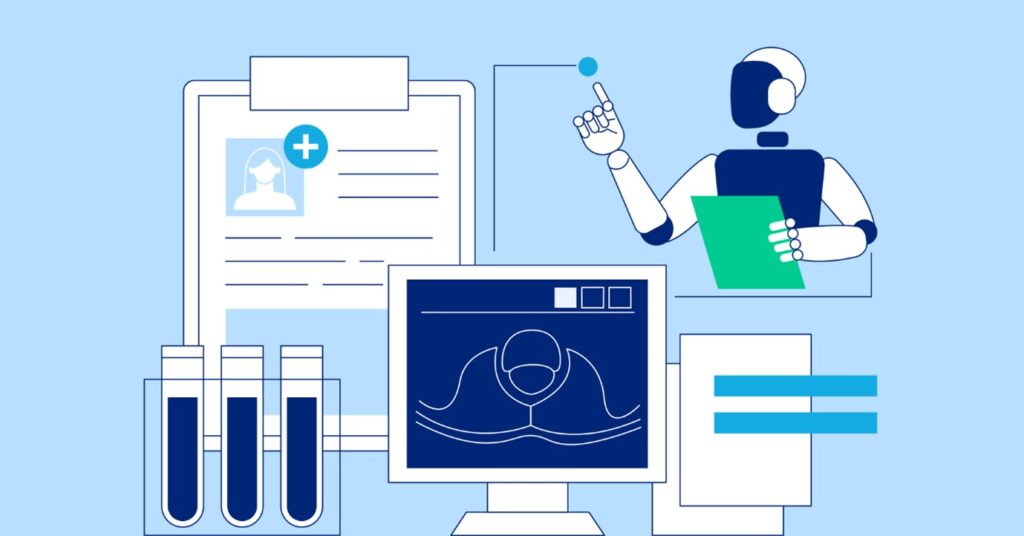
Wearables are being used to monitor stress levels and mental health patterns continuously.
Automotive
Driver monitoring systems can detect fatigue or distraction before it becomes dangerous.
The uncomfortable truth: Personalisation or surveillance
Emotion data is far more sensitive than clicks or purchases.
It reveals intent before action.
As devices become always on, the line between helpful and invasive becomes harder to define.
This is where most brands will hesitate.
And where the most aggressive ones will move first.
Why most brands will get this wrong
Most companies will treat emotion AI like another dashboard.
More data. More charts. More reports.
That is not where the value is.
The real shift is in real time decision making. Messaging that adapts instantly. Experiences that change based on how someone feels, not what they clicked.
China vs the West: Two different speeds of adoption
China is already comfortable with highly integrated digital ecosystems.
Emotion AI will likely plug into platforms where commerce, content, and communication already live together.
The West will move slower, shaped by privacy concerns and regulation.
The gap will not be in technology. It will be in adoption speed.
What brands should do now
Start thinking beyond clicks and conversions.
Focus on signals that indicate intent, mood, and friction.
Invest in AI systems that can adapt in real time, not just report after the fact.
And most importantly, define your ethical boundaries early.
Because once this technology becomes standard, it will be harder to step back.
Emotion is the next battlefield
Marketing has moved from demographics to behavior.
The next shift is emotion.
The brands that win will not just understand what customers do. They will understand how customers feel, in the moment decisions are made.
The real opportunity for global brands
For brands navigating fast moving markets like China, where AI driven personalization is already evolving quickly, understanding these shifts early is critical.
That is where teams like Digital Crew step in, helping brands translate emerging technologies into real market advantage.
It analyzes data such as speech patterns, facial movements, and physiological signals to infer emotional states in real time.
02 How is emotion AI used in marketing?
Brands use emotion AI to understand customer reactions, personalise messaging, and improve engagement beyond traditional behavioral data.
03 What is the difference between emotion AI and sentiment analysis?
Sentiment analysis focuses on text and opinions, while emotion AI uses multiple signals like voice and biometrics to understand deeper emotional states.
04 Will emotion AI replace traditional marketing data?
No, but it will add a deeper layer by explaining why customers behave a certain way, not just what they do.
05 What should brands do to prepare for emotion AI?
Brands should invest in AI driven personalisation, focus on real time insights, and define clear ethical boundaries early.