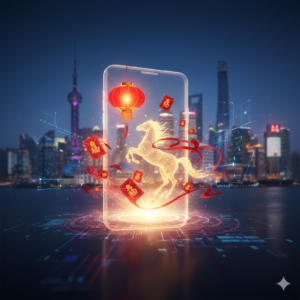


For years, the world believed it understood the Chinese business story.
China manufactured. The West branded.
That story is no longer true.
A new generation of Chinese companies is not simply entering foreign markets. They are exporting entire systems of production, distribution, technology, and consumer engagement.
This shift is subtle, but its consequences are massive.
Global competition is no longer about who makes the best product.
It is about who controls the ecosystem around it.

From factories to frameworks
China’s first wave of global expansion was built on scale.
Factories, supply chains, logistics, and low costs made Chinese companies indispensable to global commerce.
But scale alone does not explain what is happening today.
Chinese companies are no longer content with being invisible suppliers behind Western brands.
They want to own the relationship with consumers, the data, and the platforms that shape demand.
This is not globalization in the traditional sense.
It is system building at a global level.

The new logic of expansion
Most global companies expand in three steps:
- Enter a market
- Adapt products
- Build brand awareness
Chinese companies are following a different playbook.
They enter markets by bringing an entire operating model with them.
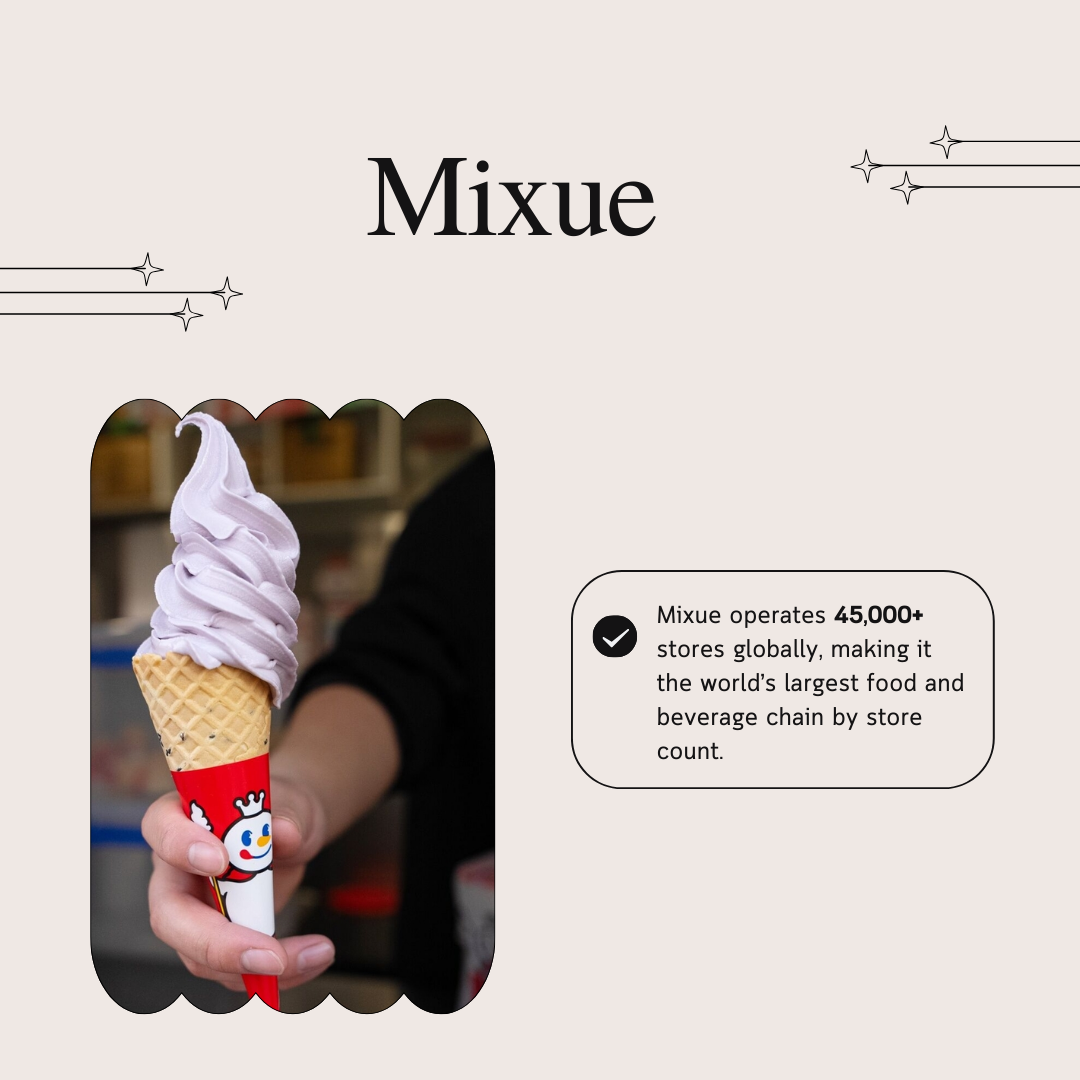
Products are just the entry point
In many industries, Chinese companies start with competitive products.
But the real strategy lies beyond the product.
They integrate manufacturing, logistics, digital platforms, payments, marketing, and community engagement into a single loop.
This makes them faster, cheaper, and more adaptive than traditional multinational brands.
The result is not just market entry.
It is market restructuring.
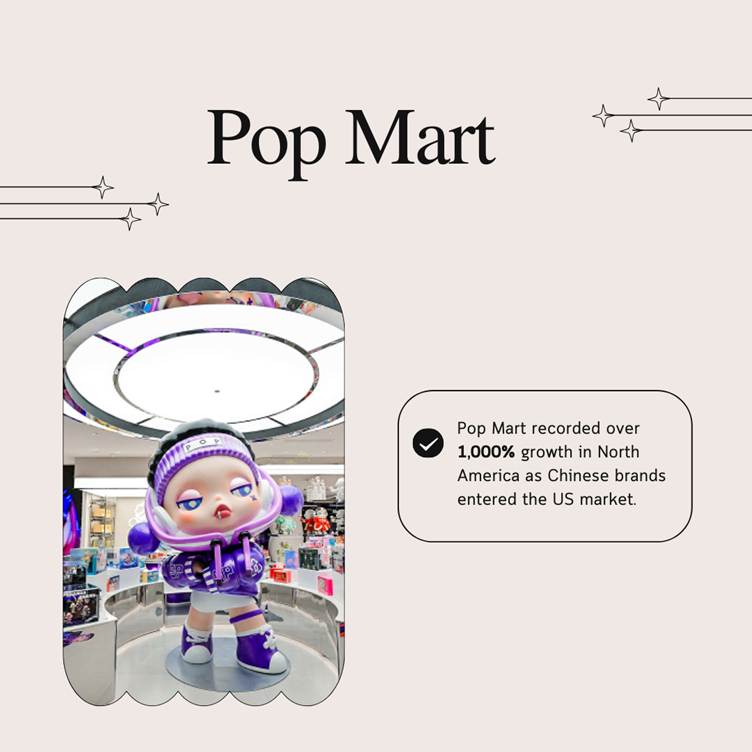
Ecosystems beat brands
Western companies historically built power through branding.
Chinese companies are building power through ecosystems.
Platforms over campaigns
Instead of relying on advertising alone, Chinese companies leverage:
• Social commerce
• Creator economies
• AI driven recommendation systems
• Integrated payments
• Community driven demand
When these elements work together, customer acquisition becomes structural rather than tactical.
Brands do not just compete for attention.
They compete for relevance inside algorithmic systems.
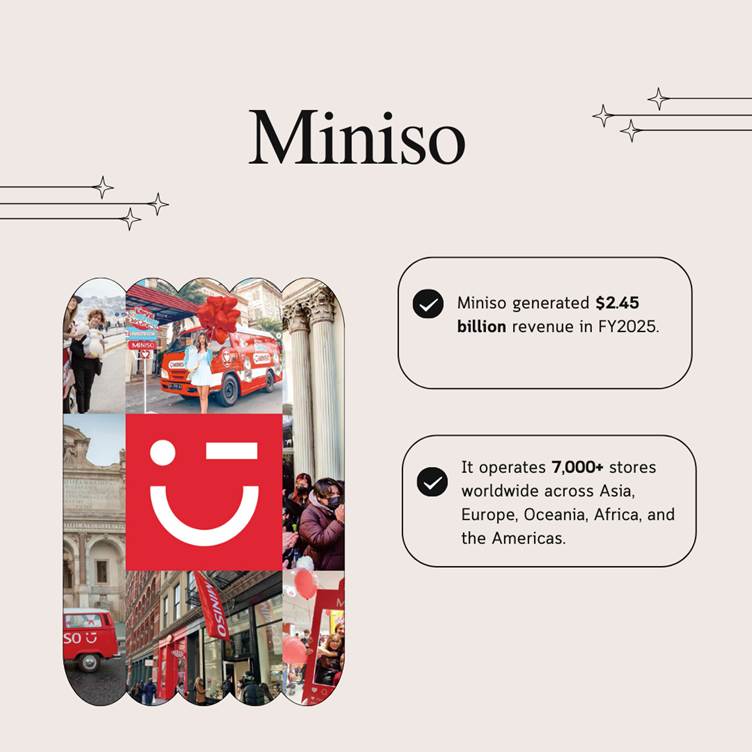
Data over intuition
Many Western brands still rely heavily on market research cycles and intuition.
Chinese companies operate in real time.
They use continuous data feedback to refine products, messaging, pricing, and distribution instantly.
This creates a permanent advantage in speed and adaptability.
Why this generation of Chinese companies is different
The current wave of Chinese companies grew up in a digital first environment.
They did not learn marketing from television.
They learned it from platforms.
They did not learn retail from malls.
They learned it from mobile commerce.
They did not learn customer behavior from surveys.
They learned it from algorithms.
Born global, not local
Earlier Chinese companies expanded globally because domestic markets matured.
This new generation thinks globally from day one.
Their ambition is not to export goods.
It is to export influence.
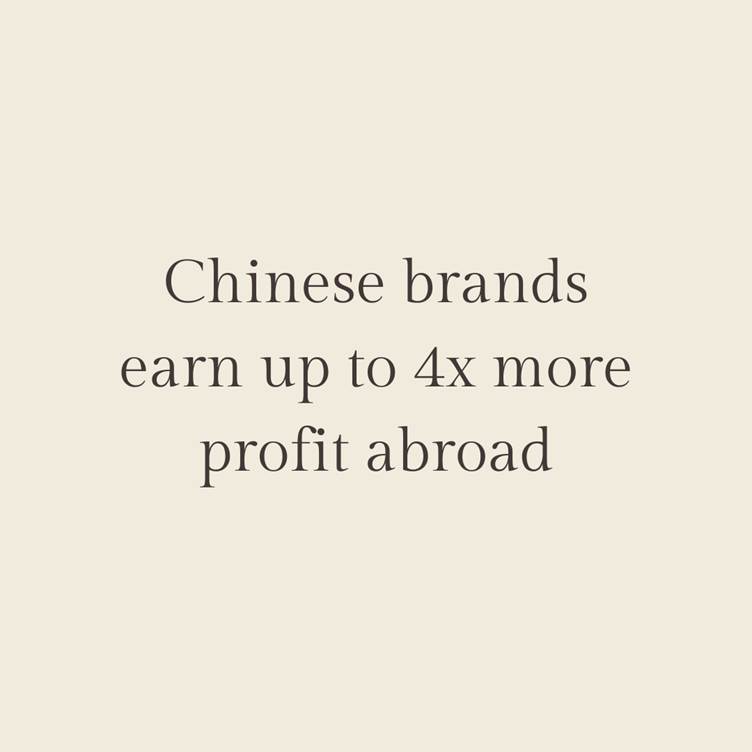
The misunderstood threat to global brands
Many global companies believe they are competing with cheaper alternatives.
That is the wrong diagnosis.
It is not about price
Chinese companies are not winning because they are cheaper.
They are winning because they control more layers of the value chain.
They integrate production, distribution, technology, and consumer engagement into a unified system.
When that happens, traditional competitors find themselves fighting on fragmented terrain.
It is not about copying
The old narrative said Chinese companies copied Western innovation.
Today, the reality is reversed in many sectors.
Western companies increasingly study Chinese platform strategies, creator economies, and AI driven commerce models.
Innovation is no longer flowing in one direction.
What global brands must understand now
The real competition is not between products.
It is between operating models.
Brand is no longer enough
Strong branding still matters, but it is no longer sufficient.
Brands must now think like ecosystems.
They must integrate:
• Technology
• Community
• Data
• Content
• Commerce
If they do not adapt, they risk losing control of distribution and customer relationships, while platforms capture the real value of the market.
Speed is the new moat
Chinese companies operate with shorter feedback loops and faster decision cycles.
In a world where consumer behavior changes weekly, speed becomes a structural advantage.
Brands that move slowly will not just lose market share.
They will lose relevance.
The future of global competition
The global economy is entering a new phase.
The old world was shaped by multinational brands.
The next world will be shaped by ecosystem companies.
Chinese firms are not just participants in this shift.
They are pioneers of it.
For global brands, the question is no longer whether Chinese companies will expand further.
The question is whether they are prepared to compete with a fundamentally different logic of business. And for brands trying to understand this shift and translate it into actionable market strategies, working with teams that deeply understand both Chinese digital ecosystems and global consumer behavior can make a meaningful difference. This is where cross market expertise becomes not just helpful, but strategic.