

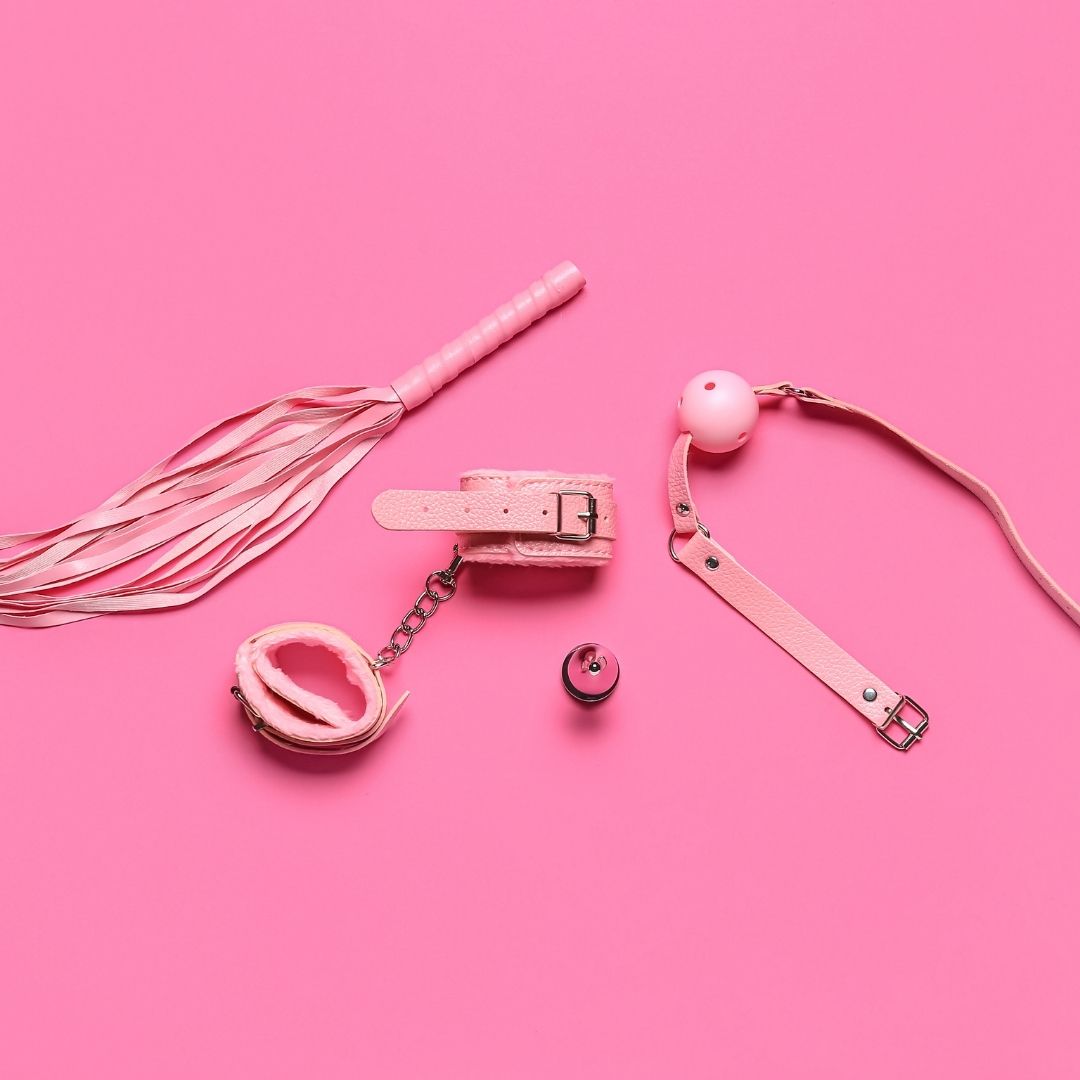
In Beijing supermarkets and online platforms alike, there’s a quiet oddity unfolding. Condoms traditionally viewed as a staple of safe sex are suddenly not selling with the same momentum they once did. Across town on Taobao or Xiaohongshu, sex toys and accessories , once relegated to niche corners, are drawing attention, community reviews, and repeat purchase behavior.
It’s not about less desire. It’s about changing forms of intimacy, autonomy, and how younger consumers choose to express and prioritize pleasure. Earlier reporting in this series dug into how China’s domestic sex toy industry has evolved from taboo to lifestyle. Here, we explore the next piece of the puzzle: how consumer spending patterns in sexual wellness are shifting in ways that challenge traditional product categories.
Condom sales softening — and what the data shows
Hard numbers reinforce what anecdotal trends have been hinting.
- In 2024, China’s condom market size fell to about 156 billion yuan, marking a drop of about 17 % compared to 2023 and roughly 25 % lower than in 2020. This is a noticeable contraction over recent years.
- This represents several consecutive years of decline, with total units sold also retreating after years of growth.
Much of the coverage points to structural tension: the traditional trajectory of partnered encounters is changing, and condoms themselves now compete with a wider set of contraceptives and personal choices that often don’t involve the dynamics of coupled intimacy.
It’s worth noting that macro forecasts still see long-term growth in condoms at a broad level – but that growth is not aligned with actual retail momentum in China’s core urban markets where consumer behavior is shifting fastest.
Sex toys are on an upward curve
Compare that with the broader sexual wellness category, and a different picture emerges.
- The overall **China sexual wellness market was estimated at about $10.96 billion USD in 2024, and is projected to grow strongly over the next decade.
- Within that, the sex toys segment alone accounts for a dominant share (about $2.35 billion USD).
- Other estimates position the China sex toy market at roughly USD 12.5 billion in 2024 with a projected CAGR of about 7 % through 2032, indicating structural long-term expansion.
- Separate domestic reporting shows the sex toy market ballooned from approx 1188.7 billion yuan in 2019 to 1942.1 billion yuan in 2024. This is a jump of more than 60 % in five years.
Young adults, particularly under 35, are the engine of this growth, accounting for an overwhelming share of sex toy purchases.
Changing priorities under the surface
These stats reflect a deeper cultural shift. Younger Chinese consumers today:
- Delay marriage and family formation.
- Prioritize individual wellness and self-care.
- Embrace comfort, education, and product narratives that go beyond function.
For condoms, the product messaging anchors safety and obligation. For sex toys, the story is comfort, pleasure, and lifestyle improvement. In a market where emotional resonance matters, that difference ripples through purchase behavior.
Ecommerce and community content amplify the shift
Platforms that reward story-led discovery shopping further accelerate the trend.
Sex toys fit neatly into lifestyle content — reviews, product comparisons, how-to guides — while condoms often struggle to generate engaging content beyond price and basic function.
This contentability factor gives sexual wellness products a stronger footing on platforms like Xiaohongshu, Douyin, and Tmall Live.
What this trend signals for brands
China’s intimacy market is not shrinking. It is reconfiguring. The numbers show a retreat in one category and growth in another — but the underlying consumer logic is what matters.
Brands that aim to enter or expand in this space need:
- Narrative frameworks that respect privacy and autonomy.
- Channel strategies that leverage lifestyle content and community advocacy.
- Messaging that aligns with evolving consumer identity rather than prescriptive safety alone.
If you’re watching these shifts from afar, reconsider how category relevance and cultural context stack up against raw product assumptions.
Where Digital Crew can help
Understanding nuanced consumer trends like these before they hit mainstream reporting gives brands an edge. At Digital Crew, we help you interpret behavioral signals, align messaging with cultural insight, and build strategies that resonate on China’s digital platforms.
If you’re exploring China’s sexual wellness, lifestyle, or wellness economy and want guidance on what data really means for your brand, we’re here to help.