

The world just woke up to a Chinese fast food giant and it tells us everything about the new era of consumer power
There is a moment when a trend stops being a trend and becomes a turning point. Mixue Ice Cream and Tea passing McDonalds in total stores is that moment. Call it a plot twist, call it a quiet revolution, call it a friendly reminder that the global consumer story does not start in the west anymore.
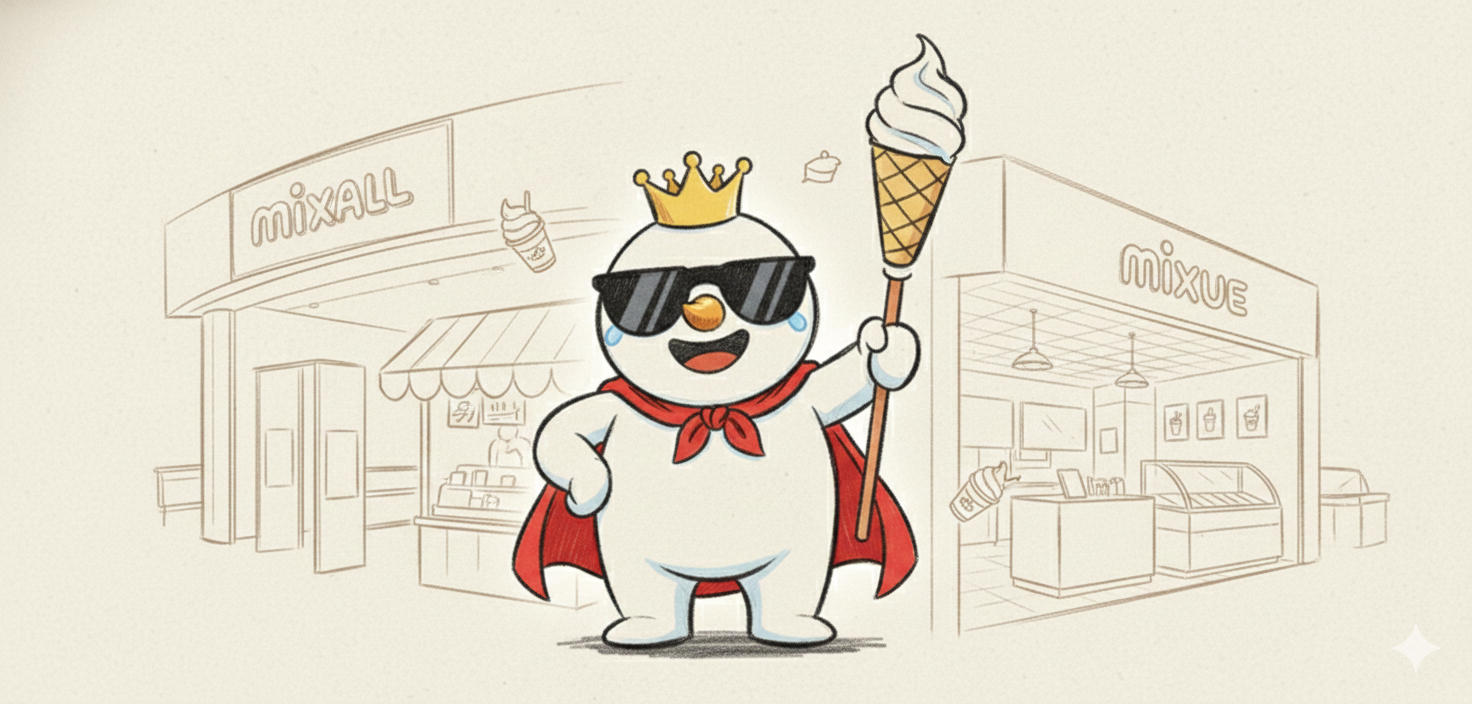
If you want to understand where global retail is heading, forget the usual case studies. Just look at a cheerful snowman mascot selling soft serve and fruit tea in 45,000 stores.
That is not a trivia fact. That is a signal.
China is now producing consumer chains that do not just dominate their home market. They expand with a kind of velocity that western brands have never seen before.
And the world is just starting to feel it.
The rise of Mixue was not an accident. It was a perfect storm of Chinese scale and Chinese momentum
People in the west think Mixue won by putting shops wherever foot traffic was cheap. That is the surface story, not the real one.
Mixue grew by building the kind of franchise machine that only works in a market shaped by Chinese consumer habits. It launched in small cities first. It kept its cost structure so lean that a cup of tea feels like a minor luxury at the price of bottled water. It standardised everything. It turned every shop into a micro learning lab. Then it multiplied.
Western brands expand with caution. Mixue expands with confidence. The difference sits in one word: momentum
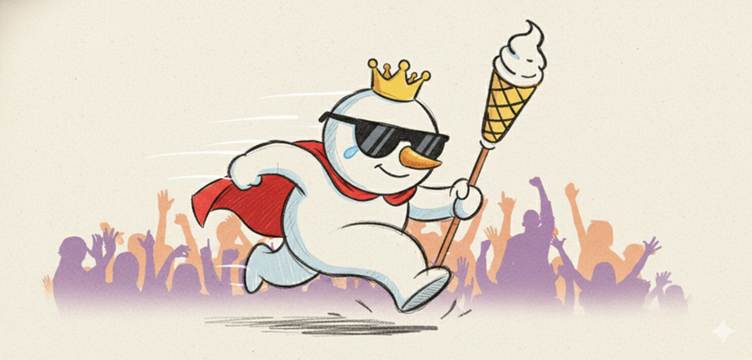
Chinese consumers reward speed, novelty and value. They do not hesitate when they like something. They do not wait for expert reviews. They do not need marketing sermons about heritage. They just adopt, amplify and move on.
Mixue simply built the perfect engine for that behaviour.
Mixue is not alone. There is a whole generation of Chinese chains rewriting global consumer expectations
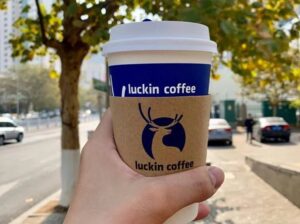
Luckin rebuilt the idea of the morning coffee run. Chagee created a premium tea identity that feels more like fashion than food. Miniso made everyday shopping feel like a treasure hunt. The list keeps growing.
These brands move fast because they understand that speed is a feature. They do not protect old formats. They reinvent them. They see the world as an open market rather than a long pipeline of regulatory steps and feasibility studies.
It is fascinating to watch this shift play out. For decades the west exported its retail culture to the world. Today the world is importing Chinese consumer culture back in return.
And that shift is accelerating.
If you want to understand modern retail, look at who moves the quickest, not who shouts the loudest
McDonalds is a global icon. Starbucks is a global habit. Subway is an old giant. But none of them can match the scaling speed of Mixue in the last five years.
Mixue can enter a new city and replicate its model with surgical precision. It can open stores with lower capital requirements. It can keep prices irresistible without collapsing margins. It can source, produce and distribute at speeds western chains simply cannot match.
That is the new competitive edge.
Not legacy.
Not heritage.
Not marketing folklore.
Speed.
China has spent the last decade perfecting speed.
What this means for foreign brands watching China from afar
The Mixue story is not cute. It is not an outlier. It is not a cultural curiosity.
It is a preview.
Foreign brands are now competing with companies that can test ten ideas, sharpen three, discard seven, and scale one across two thousand stores in less than a year. No board room in the west is prepared for that rhythm.
The rise of Mixue reveals the new reality: Chinese consumer brands can reshape global markets in real time. They are not following the playbooks of western retail pioneers. They are writing their own.
And they are very good at it.
The question is not how Mixue overtook McDonalds. The real question is who is next
Chinese chains are growing the way rivers grow in spring. They move fast, find open space and refuse to slow down. Mixue did not become a giant by chance. It became a giant because it understood the tempo of modern life better than the brands that came before it.
People want things that feel fresh.
People want things that feel close.
People want things they can afford without thinking twice.
Mixue gave them all three.
The lesson is simple.
The future does not belong to the brands that move carefully.
It belongs to the brands that move in rhythm with the people they serve.

Mixue just showed that rhythm to the world.
And if you look closely, you can already hear the next wave coming.